


Table of Contents
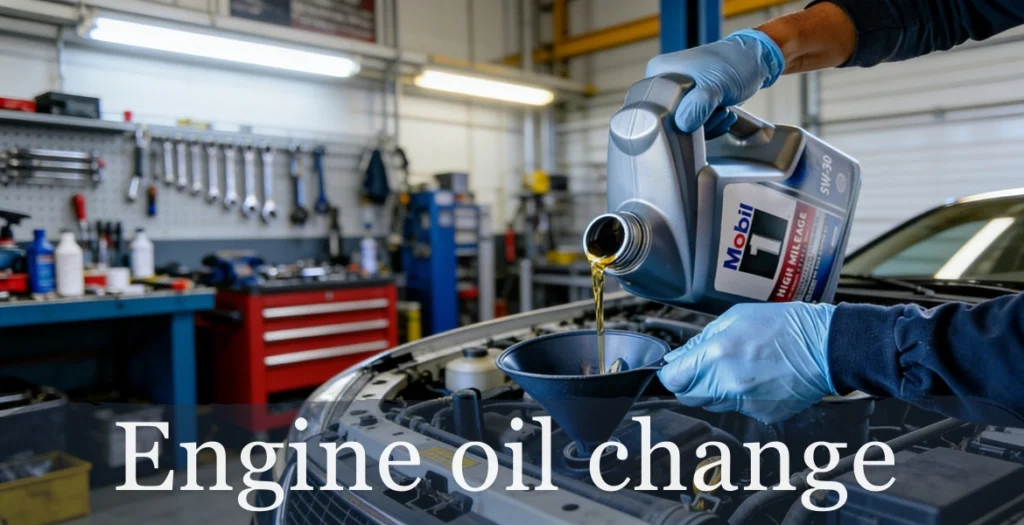
Knowing how to change oil is one of the most valuable maintenance skills any vehicle enthusiast can learn. Regular oil changes keep your engine running smoothly, extend its lifespan, and engine oil change prevent costly repairs. Whether you’re aiming to save money, ensure proper vehicle care, or simply become more hands-on with your car, understanding the process of an engine oil change is essential.
This comprehensive guide walks you through everything you need to know including tools, preparation, the step-by-step oil change process, helpful tips, and common mistakes to avoid. You’ll also learn when to get an oil change on a new car, how to identify low oil dipstick readings, and how to confidently replace oil car components involved in the process. For a complete overview of all vehicle maintenance tasks, be sure to check our detailed car maintenance checklist to keep your vehicle in top condition.
Why Learning How to Change Oil Matters
Engine oil lubricates vital engine components, reduces friction, removes heat, and captures contaminants that could otherwise damage the engine. Over time, oil breaks down and becomes less effective, leading to increased wear on critical parts. Neglecting regular oil changes can result in severe engine damage, reduced performance, and even complete engine failure requiring expensive repairs or replacement. If you’re facing major engine issues due to neglected maintenance, explore our selection of quality used engines for reliable and affordable replacement options. When you know how to change oil in car engines properly, you benefit from:
- Better engine performance
- Increased fuel efficiency
- Longer engine life
- Reduced repair costs
- Improved knowledge of vehicle health
Doing your own changing engine oil also allows for better quality control you decide which oil and filter your vehicle receives.
What You Need Before You Start an Oil Change
To perform how to do an oil change safely and effectively, gather the right tools and materials in advance. Just as your engine requires regular oil changes, your transmission and transaxle also need proper fluid maintenance to function correctly. Understanding the difference between these fluids is crucial for complete vehicle care—learn more about transaxle fluid and transmission fluid to ensure you’re maintaining all critical systems. Having the proper supplies ready makes the oil change process smoother and helps you avoid mid-project trips to the auto parts store.
Tools and Materials Checklist
Before beginning your oil change, ensure you have all necessary equipment on hand. You’ll need engine oil in the type and amount specified in your owner’s manual, a new oil filter, oil filter wrench, socket wrench, oil drain pan, funnel, jack and jack stands or car ramps, gloves and shop towels, and an oil-resistant container for used oil disposal. If you’re experiencing transmission-related issues alongside your engine maintenance needs, visit our used transmissions page for quality replacement options backed by comprehensive warranties. Having professional-grade tools not only makes the job easier but also ensures safety during the maintenance process.
- Engine oil (type and amount specified in owner’s manual)
- New oil filter
- Oil filter wrench
- Socket wrench
- Oil drain pan
- Funnel
- Jack and jack stands (or car ramps)
- Gloves and shop towels
- Oil-resistant container for used oil
Choosing the Right Oil
Most cars use one of these:
- Full synthetic oil – best performance and protection
- Synthetic blend – balance of performance and price
- Conventional oil – older vehicles and basic engines
How to Perform an Oil Change in Simple Steps?
- Park on level ground, turn off engine, and open hood
- Lift car and place a drain pan under the drain plug
- Remove drain plug and let old oil drain out
- Remove old oil filter and install new one
- Refit drain plug securely
- Lower car and pour in fresh engine oil
- Start engine briefly, then check oil level and top up if needed
Oil Change Types Compared
Below is a helpful table summarizing key differences between DIY and professional oil changes:
| Oil Change Type | Cost | Time Required | Pros | Cons |
| DIY Oil Change | Low ($25–$50) | 30–45 minutes | Saves money, full control, learn valuable skills | Requires tools, can be messy |
| Professional Oil Change | Moderate ($50–$120) | 20–30 minutes | Quick, no cleanup, multi-point inspection | Higher cost, quality varies by shop |
When to Get an Oil Change on a New Car
Routine oil changes are essential even for new vehicles, although modern engines and high-quality synthetic oils often allow for extended intervals. Most manufacturers recommend completing the first oil change between 5,000 and 7,500 miles, but owners should consult their specific vehicle guidelines for accurate maintenance schedules. After the initial service, typical oil-change intervals range from 7,500 to 10,000 miles when using synthetic oil. However, drivers operating under severe conditions such as frequent short trips, towing heavy loads, or driving in extremely hot or cold temperatures may need to change their oil more frequently to maintain optimal engine performance and longevity.
Common Mistakes to Avoid When Changing Engine Oil
Avoid these common errors to ensure your oil change is done correctly:
- Using the wrong oil type
- Overtightening the oil filter or drain plug
- Not replacing the oil filter
- Leaving the old drain plug gasket on
- Overfilling the oil
- Not checking for leaks afterward
Making these mistakes can lead to leaks, engine damage, or costly repairs.
Signs Your Car Needs an Engine Oil Change
Here are the signs your car needs an engine oil change, listed in points:
- Burning oil smell inside or around the car
- Engine knocking, ticking, or other unusual noises
- Rough idling or unstable engine idle
- Oil on the dipstick appears dirty, dark, gritty, or sludge-like
- Oil level consistently low when checked with the dipstick
- Dashboard oil pressure or oil-change warning light turns on
If you notice any of these, it’s a good idea to check your oil and consider getting an oil change even if your scheduled maintenance isn’t due yet.
Benefits of Doing Your Own Oil Change
- Doing your own oil change often costs much less than a professional service.
- You can perform the oil change when and where it suits you, rather than waiting for a shop appointment.
- When you change the oil yourself, you know exactly what oil grade and filter are being used. This helps ensure your engine gets proper lubrication rather than relying on uncertain shop practices.
- Doing maintenance, yourself gives you hands-on experience and better insight into how your car works, which can help you spot potential issues early.
- A DIY oil change can take less time overall than driving to a shop, waiting, and returning home especially if you already own the necessary tools.
- Many people find it satisfying to maintain their own vehicle and gain confidence in handling basic car care themselves.
Conclusion
Knowing how to change oil empowers you to take control of your vehicle’s most essential maintenance task. Whether you’re performing an engine oil change for the first time or brushing up on how to change oil in car engines with confidence, this guide provides everything you need from tools and preparation to execution and disposal. Regular oil changes protect your engine, boost performance, and help avoid expensive mechanical issues. So the next time your car is due for service, consider doing your own changing engine oil for a smarter, more cost-effective approach.
Frequently Asked Questions
-
How often should I change my oil?
Most cars need an oil change every 5,000–10,000 miles depending on oil type and driving habits.
-
Can I switch between synthetic and conventional oil?
Yes, but synthetic oil offers better protection. Follow manufacturer recommendations.
-
How do I know which oil filter to buy?
Check your owner’s manual or ask an auto parts specialist for the correct filter type.
-
What if I accidentally overfill my oil?
Remove excess oil using a siphon pump or drain a small amount from the drain plug.
-
Is changing engine oil messy?
It can be, but using a large drain pan and gloves helps reduce mess.

