

Table of Contents
Is keeping your engine well maintained something you desire? The valve cover gasket is one of the most significant yet often neglected parts. Its small size does not undermine its importance as this seal keeps the oil from leaking out on to the parts of the engine and thereby protects it from dirt and contaminants coming in. When the valve cover gasket begins to give out the signs such as oil around the engine and burning smell, or reduced efficiency are most of the time ignored until they become cost repairs.
In this post, we will discuss the function of the valve cover gasket, the reason for its failure, signs of a bad gasket, and when it is time for a replacement, thereby assisting you in making the right maintenance decisions involving either an oil-soaked driveway or preventive care planning.
Understanding the Valve Cover Gasket Function
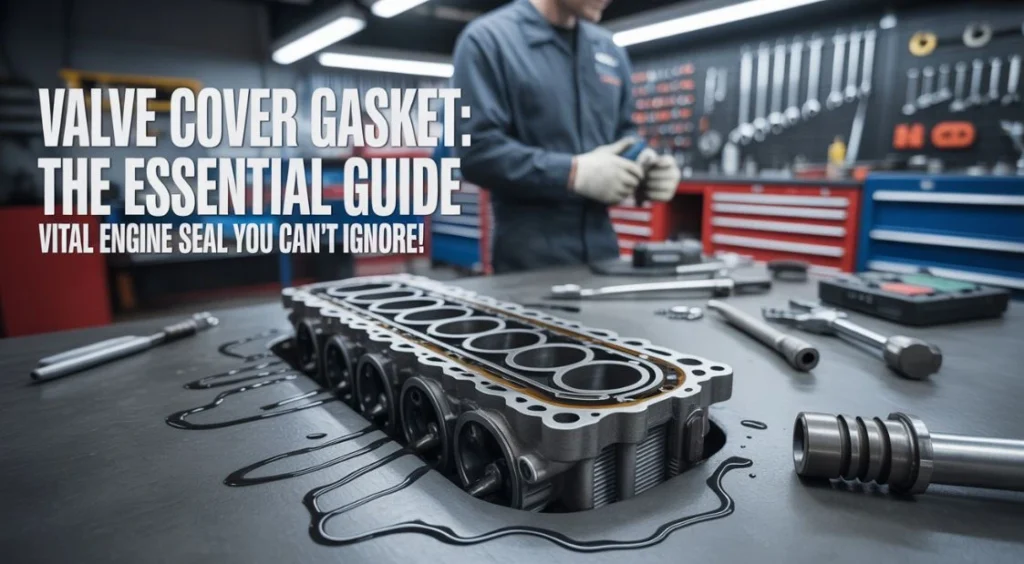
A valve cover gasket is a crucial sealing element made of rubber, cork, or even the newest composite materials. The gasket is molded between the valve cover and the intake cylinder head of the engine. The gasket’s function is to create a barrier that is both air and oil tight allowing no escape of engine oil and at the same time no intrusion of dirt. A valve cover gasket has to endure extreme temperatures; it has to soldier on under very high and very low temperatures plus continuous movement and vibration while at the same time being in contact with engine oil and learning chemicals that can be harsh and thus wear out even the best gaskets over time.
The engines of today, from compact cars like the Honda Civic to heavy-duty trucks, are running at much higher temperatures and pressures, which has led to a parallel rise in the demand for valve cover gaskets. This component might remain unnoticed but when it fails itts can lead to bigger consequences.
What are types of Valve Cover Gaskets?
In order to take an informed decision about valve cover gasket replacement, one should understand what types of materials are used in construction.
| Gasket Type | Material | Lifespan | Best For |
|---|---|---|---|
| Cork | Natural cork fiber | 30,000-50,000 miles | Older vehicles, low-cost option |
| Rubber | Synthetic rubber compounds | 60,000-80,000 miles | Most modern engines |
| Silicone | High-grade silicone | 80,000-120,000 miles | High-performance applications |
| Multi-layer Steel | Steel with rubber coating | 100,000+ miles | Heavy-duty and diesel engines |
The type of valve cover gasket your vehicle requires depends on the engine design, operating temperatures, and manufacturer specifications. Always consult your owner’s manual or a qualified technician to ensure you’re using the correct gasket type. Popular engines like the 5.3 LS engine typically use high-quality rubber or silicone gaskets for optimal sealing.
Signs Your Valve Cover Gasket Needs Attention
Detecting problems early can save you significant money and prevent engine damage. Watch for these warning signs:
External Symptoms:
- Oil seepage around the valve cover edges
- Greasy or dirty valve cover appearance
- Oil dripping onto exhaust manifolds
- Noticeable cracking and deterioration of the gasket
- Burning oil smell during or after driving
Performance Indicators:
- Declining oil levels between changes (especially common in high-mileage vehicles like the Ford F-150)
- Engine misfires or rough idle
- Check engine light related to ignition system
- Smoke from the engine bay
- Poor fuel economy
Under-the-Hood Evidence:
- Oil accumulation in spark plug tubes
- Contaminated air filter housing
- Oil residue on surrounding components
- Hardened or brittle gasket material
Addressing these symptoms promptly prevents the valve cover gasket issue from escalating into more expensive repairs.
The Valve Cover Gasket Replacement Process
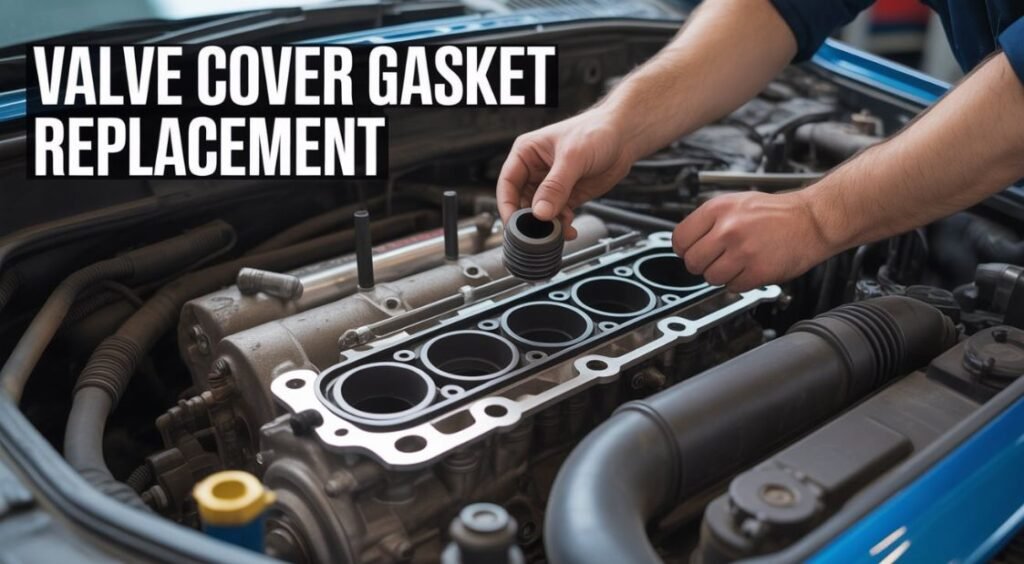
When replacing a valve cover gasket, professional mechanics stick to a methodical approach:
- Preparation and Inspection: Components like air intake, electrical wiring, or ignition coils are taken off to access the valve cover. The area is visually inspected for signs of any additional damage or wear.
- Removal of Valve Cover: The bolts are slowly loosened and in the right order so that the cover does not get bent. The old gasket is removed, and the valve cover is inspected for any cracks or other types of damage.
- Cleaning the Surface: To remove any gasket material or dirt make sure to clean the valve cover and cylinder head thoroughly. This helps prevent the new gasket material and keep it safe from future leaks.
- Installing a New Gasket: A new gasket is carefully positioned, making sure the bolt holes and oil passages line up correctly. Depending on the design, the gasket may stick in place or simply sit neatly in the groove.
Reassembly: The valve cover is refitted, and the bolts are tightened in the correct sequence and to the manufacturer’s specified torque. This ensures even pressure across the gasket and helps prevent leaks over time.
Factors Affecting Valve Cover Gasket Longevity
Several variables influence how long your valve cover gasket will last:
- Oil change frequency: Fresh oil contains fewer contaminants that can degrade gasket materials
- Driving conditions: Extreme temperatures and stop-and-go traffic accelerate wear
- Engine design: Some configurations run hotter, stressing the gasket more
- Quality of parts: OEM and premium aftermarket gaskets outlast budget options
- Installation quality: Proper torque and clean surfaces are essential
Preventive Maintenance Tips
Maximize your valve cover gasket lifespan with these practices:
Regular Maintenance:
- Follow recommended oil change intervals
- Use high-quality engine oil appropriate for your vehicle
- Perform visual inspections during routine service
- Address minor leaks immediately
Driving Habits:
- Allow engine to warm up gradually in cold weather
- Avoid excessive idling when possible
- Don’t ignore engine overheating issues
- Maintain proper coolant levels
Quality Parts:
- Choose OEM or quality aftermarket gaskets
- Replace related components (grommets, seals) simultaneously
- Consider upgraded materials for high-mileage vehicles
Conclusion
The valve cover gasket might not seem like a very important part but in fact, this crucial component locks in your engine and keeps its production quality at the best level. Therefore, knowing how it works, spotting the signs of its failure and changing it at the best time will make your car run without problems for many years. No matter if you are a DIY person or you would rather have a professional do it, being familiar with your valve cover gasket puts you in a place to make wise maintenance choices.
Even a tiny leak should not become a big repair; so, keep an eye on it, treat your car nicely and tackle valve cover gasket problems as soon as you notice any signs of trouble. Your engine will give you back a trustworthy and long-lasting performance.

