

Table of Contents
Keeping your vehicle clean does more than make it shine. When you wash a car correctly, you protect the paint, prevent corrosion, preserve resale value, and even improve driving visibility. Dirt, bird droppings, tree sap, and road salt can damage the clear coat and metal over time if you ignore them.
This guide explains how to wash a car properly, using safe methods recommended by detailing professionals and automotive organizations such as the International Carwash Association and guidance consistent with owner manuals from major manufacturers. You’ll also learn how to use a car wash kit, practice effective hand car cleaning, and safely wash leather car seats without damaging the material.
Why Proper Car Washing Matters
Modern automotive paint consists of primer, base coat, and a protective clear coat. That clear coat shields against UV rays and contaminants. According to guidance commonly reflected in manufacturer maintenance recommendations, contaminants like road salt and industrial fallout can accelerate corrosion if left untreated.
A proper wash routine:
- Prevents swirl marks and scratches
- Removes corrosive materials (salt, brake dust)
- Preserves clear coat protection
- Maintains resale value
- Enhances safety through clean glass and mirrors
In short, regular washing is preventive maintenance—not just cosmetic care.
What You Need Before You Wash a Car
Thorough preparation is essential for optimal results. Do not use dish soap or old clothing, as household detergents can strip protective wax and dry out trim components.
Essential Car Wash Kit Checklist
A quality car wash kit typically includes:
- pH-balanced car shampoo
- Two large buckets (preferably with grit guards)
- Microfiber wash mitt
- Microfiber drying towels
- Wheel cleaner and dedicated wheel brush
- Hose with spray nozzle or pressure washer (low setting)
- Optional: clay bar, wax, tire dressing
Professional detailers often recommend the “two-bucket method.” One bucket holds soapy water; the other contains clean rinse water. This system reduces the chance of rubbing dirt back onto paint and causing swirl marks.
Step-by-Step Guide on How to Wash a Car
Follow these steps carefully. Each one protects the finish and ensures a streak-free result.
Step 1 – Choose the Right Location
Wash your car in the shade and on a cool surface. Direct sunlight causes soap to dry quickly, leaving water spots and residue.
Avoid windy areas that can blow dust back onto wet paint.
Step 2 – Rinse Thoroughly
Start with a full rinse from top to bottom.
Focus on:
- Wheel wells
- Lower panels
- Under bumpers
Rinsing eliminates loose debris prior to contact with the paint. Omitting this step increases the risk of scratches during hand washing.
Step 3 – Clean the Wheels First
Wheels contain brake dust and heavy grime. Clean them before washing the body to avoid splashing contaminants onto clean paint.
Use:
- Dedicated wheel cleaner
- Separate brush or mitt
- Separate bucket
Never use the same mitt for wheels and body panels.
Step 4 – Use the Two-Bucket Method
Dip the microfiber mitt into the soap bucket. Wash one section at a time using straight-line motions, not circles. Circular motions can make swirl marks more noticeable.
After each section:
- Rinse the mitt in the clean water bucket.
- Rub against the grit guard to release dirt.
- Reload with soap.
Work from top to bottom. The lower panels are usually the dirtiest.
This technique is the foundation of safe hand car cleaning.
Step 5 – Rinse Again
Once you finish washing, rinse thoroughly from top down.
Do not allow soap to dry on the paint. Dry residue can leave streaks and spots.
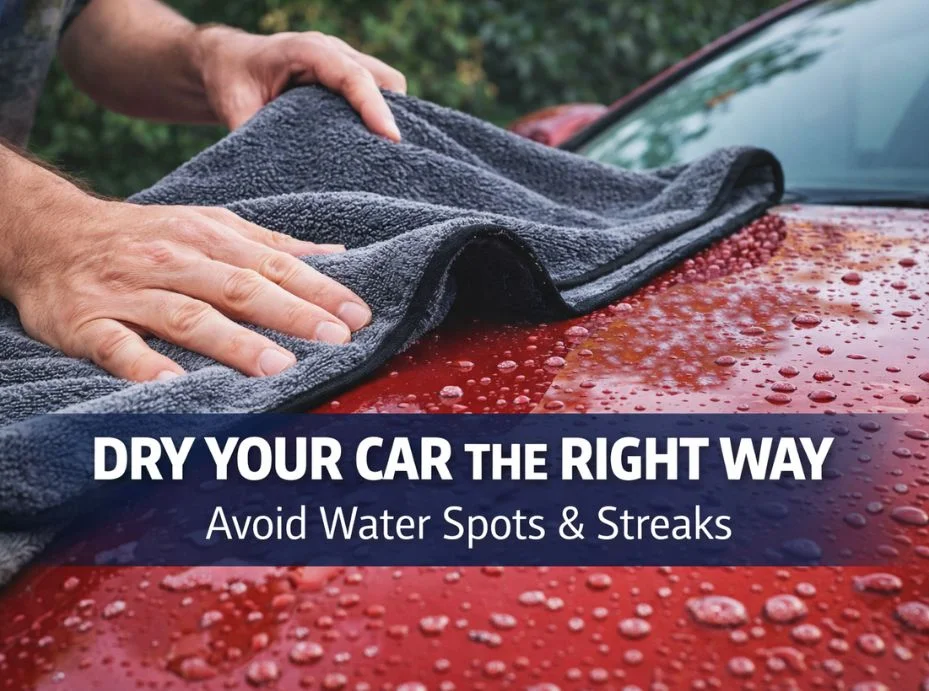
Step 6 – Dry Properly
Air drying causes mineral spots. Instead:
- Use clean microfiber drying towels.
- Pat dry or gently drag a towel across the surface.
- Avoid bath towels or rough fabrics.
Some detailers use a leaf blower or dedicated car dryer to reduce contact and prevent micro-scratches.
How Often Should You Wash a Car?
Most experts recommend washing every two weeks under normal conditions. Wash more frequently if:
- You drive in winter road salt.
- You live near the ocean.
- You park under trees.
- You commute long distances daily.
Regular washing prevents buildup that becomes harder to remove later.
How to Wash Leather Car Seats Safely
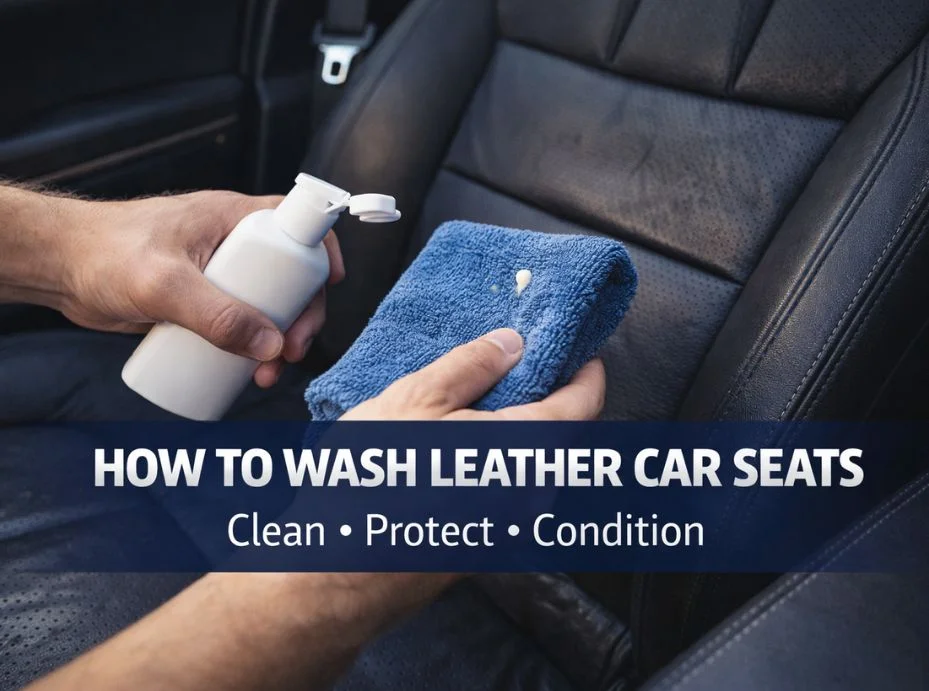
Interior care matters as much as exterior cleaning. If you want to wash leather car seats, avoid soaking them with water. Leather requires gentle treatment.
Step-by-Step Leather Cleaning
- Vacuum seats thoroughly.
- Use a dedicated leather cleaner (not household cleaners).
- Apply cleaner to the microfiber cloth, not directly to the seat.
- Wipe gently in small sections.
- Buff dry with a clean towel.
- Apply leather conditioner to maintain flexibility.
Automotive upholstery care standards indicate that harsh chemicals can dry leather and lead to cracking over time. Conditioning helps preserve natural oils and extends the material’s lifespan.
Never use alcohol-based cleaners or excessive water.
Common Mistakes to Avoid
Even experienced drivers make these errors.
1. Using Dish Soap
It strips protective wax layers.
2. Washing in Direct Sunlight
Leads to streaks and water spots.
3. Using One Bucket
Increases risk of swirl marks.
4. Skipping Drying
Air-drying leaves mineral deposits.
5. Ignoring the Underbody in Winter
Road salt can accelerate rust formation.
Avoiding these mistakes significantly improves long-term paint health.
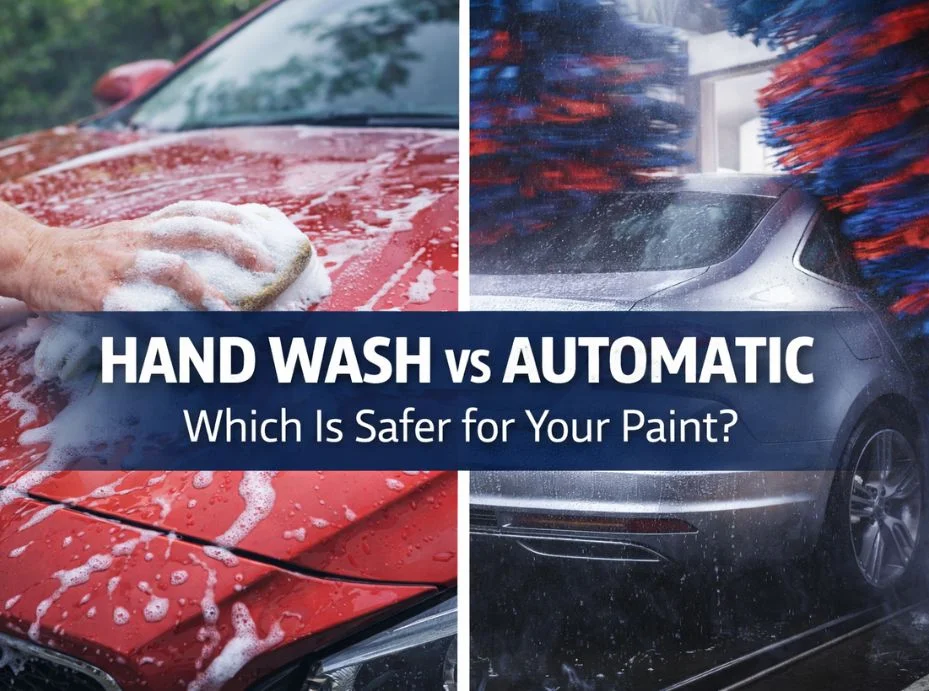
Automatic Car Wash vs. Hand Car Cleaning
Automatic car washes save time. However, brush-based systems can cause micro-scratches over time. Touchless car wash reduce contact but may use stronger chemicals.
Hand car cleaning provides better control and gentler treatment when done correctly.
If you choose automatic washes, look for touchless options certified by reputable industry organizations like the International Carwash Association.
Should You Wax After Washing?
Yes—if you want extended protection.
Wax:
- Adds shine
- Protects the clear coat
- Repels water
- Makes future washes easier
Apply wax after drying the vehicle. Follow manufacturer instructions carefully. Many modern spray waxes make the process simple and efficient.
Eco-Friendly Car Washing Tips
Environmental responsibility matters.
The U.S. Environmental Protection Agency advises minimizing runoff that carries soap and pollutants into storm drains.
Consider:
- Washing on grass or gravel (not concrete)
- Using biodegradable car shampoo
- Conserving water with a nozzle
- Visiting regulated commercial facilities that treat wastewater
These practices protect local water systems.
Seasonal Car Washing Tips
Winter
Remove salt frequently. Focus on the undercarriage.
Summer
Remove bugs quickly. Heat can bake residue into paint.
Spring
Remove pollen buildup to prevent staining.
Fall
Clear leaves and tree sap promptly.
Adjust your washing routine to environmental conditions.
Advanced Detailing (Optional but Effective)
If you want a showroom finish, consider:
- Clay bar treatment (removes bonded contaminants)
- Paint sealant or ceramic coating
- Tire dressing
- Glass polish
These steps elevate appearance and protection beyond a basic wash.
Conclusion
Learning how to wash a car properly saves money, preserves paint, and keeps your vehicle looking sharp. Use a proper car wash kit, follow safe hand car cleaning methods, and don’t forget interior care—especially when you wash leather car seats.
Consistent maintenance is more effective than infrequent intensive cleaning. Washing the vehicle carefully every two weeks offers superior protection compared to a single annual deep clean.
Clean car. Clear mind. Slightly shinier driveway.
Frequently Asked Question
How often should I wash a car?
Wash your car every two weeks under normal driving conditions. Increase frequency if you drive in winter salt, coastal areas, dusty environments, or park under trees. Regular washing prevents corrosion and clear coat degradation.
Can I use dish soap to wash a car?
No. Dish soap strips wax and protective coatings. Use a pH-balanced automotive shampoo included in a proper car wash kit to preserve paint protection.
Is hand car cleaning better than an automatic car wash?
Yes, when done correctly. Hand car cleaning reduces the risk of swirl marks compared to brush-based automatic washes. Touchless automatic washes are safer than traditional brush systems but may use stronger chemicals.
What is the two-bucket method?
The two-bucket method uses one bucket for soapy water and another for rinsing the mitt. This prevents dirt from recontaminating paint and significantly reduces micro-scratches.
Should I dry my car after washing?
Yes. Air drying leaves mineral spots. Use microfiber drying towels or a car blower to prevent water stains and streaking.

