

Table of Contents
An ignition coil is a small but crucial component in your vehicle’s engine, serving as the spark that powers combustion. Without it, your car’s engine simply wouldn’t run. Understanding how ignition coils work, identifying symptoms of failure, and knowing how to replace or repair them can save you from costly repairs and keep your vehicle performing smoothly.
This comprehensive guide will walk you through everything you need to know about ignition coils, from their function and types to diagnostics, replacement costs, and FAQs.
What is an Ignition Coil?
An ignition coil is an essential part of your car’s ignition system. It transforms the low voltage from your car’s battery into the high voltage needed to generate a spark in the spark plugs, igniting the fuel-air mixture in the engine cylinders. This transformation powers the entire combustion process, which in turn drives your car.
Types of Ignition Coils
While all ignition coils serve the same purpose, their design varies depending on the vehicle. Here’s a breakdown of the most common types and their uses:
| Type of Ignition Coil | Description | Common Use |
| Conventional Coil | A single coil supplies all cylinders | Older vehicles |
| Coil Pack Coil | Multiple coils housed in one unit | Used in modern multi-cylinder engines |
| Coil-on-Plug Coil | One coil per cylinder for precise management | Found in newer cars for improved efficiency |
Understanding your vehicle’s ignition system can help you make informed decisions when it comes to maintenance or replacement.
Bad Ignition Coil Symptoms
A failing coil can lead to a range of performance issues. Here are the most common signs to watch for:
- Engine Misfires: If one or more coils are failing, the engine may misfire, causing a noticeable drop in performance.
- Rough Idling: You may experience a shaking or hesitating feeling when the engine is idling.
- Poor Fuel Economy: Faulty coils can cause incomplete combustion, resulting in wasted fuel.
- Difficulty Starting: Struggling to start your car could be an early sign of coil failure.
- Check Engine Light: When an coil fails, it often triggers the check engine light.
By catching these coil symptoms early, you can take action before the problem worsens.
How to Test an Ignition Coil
Testing your coil can help pinpoint whether it’s the source of engine trouble. Here’s how you can do it step by step:
- Disconnect the Coil: Safely remove the coil from its connection.
- Use an Coil Tester: Attach the tester leads to the coil and spark plug.
- Check for a Spark or Voltage Reading: A lack of spark suggests the coil may need to be replaced.
For more advanced users, the spark plug coil test method is another useful diagnostic tool. However, this requires specific expertise and tools.
How to Check an Ignition Coil
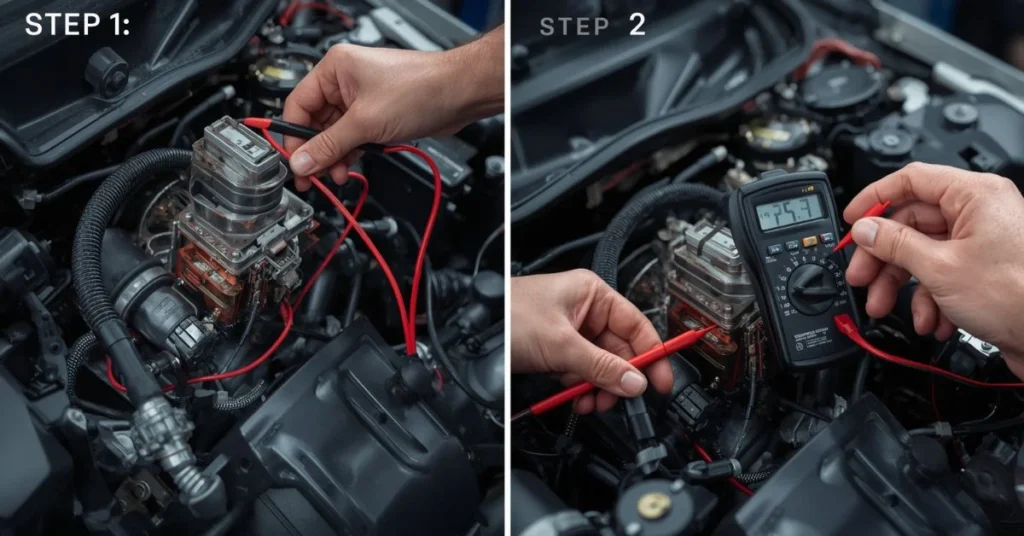
You can visually inspect your coil for damage or use a multimeter for a more precise diagnosis.
- Visual Check: Look for physical signs like cracks, burns, or corrosion on the coil.
- Use a Multimeter: A voltage test can determine if the coil is effectively converting electrical current.
Performing these checks can help confirm whether your engine coil needs to be replaced.
Ignition Coil Replacement
When it comes to maintaining your vehicle, replacing a bad coil is a relatively straightforward process. Here’s what you need to know:
Step-by-Step Replacement Guide
- Disconnect the battery to avoid any electrical risks.
- Locate the faulty coil in your engine.
- Remove the coil’s electrical connections and mounting bolts.
- Replace it with a new engine coil and reconnect the components.
Ignition Coil Replacement Cost
The cost of replacing an engine coil varies depending on your vehicle type:
| Vehicle Type | Average Cost (Parts) | Average Labor Cost | Total Estimated Cost |
| Economy Car | $40–$90 | $50–$100 | $90–$190 |
| Mid-Range Sedan | $50–$120 | $60–$150 | $110–$270 |
| Luxury Car | $80–$200 | $80–$200 | $160–$400 |
This breakdown can help you budget for repairs, whether you’re hiring a mechanic or tackling it as a DIY job.
When to Replace vs Repair
Sometimes, deciding between repair and replacement can be challenging. Here are a few factors to consider:
- Age and Mileage: Older coils are often better replaced than repaired.
- Number of Coils Failing: If multiple coils fail simultaneously, it’s usually more cost-effective to replace the entire coil pack.
Replacing worn-out coils on time can help prevent larger, more costly repairs down the road.
For more in-depth insights on engine reliability, common engine problems, and replacement decisions, explore our complete collection of engine guides.
Conclusion
The ignition coil plays an essential role in maintaining optimal engine performance. Regular checks, timely replacements, and knowing the symptoms of failure can protect your car from major engine issues and keep fuel efficiency high. By staying proactive, you can save money and avoid inconvenient breakdowns.
Take the time to inspect your ignition system periodically and don’t delay repairs when needed. Your car—and your wallet—will thank you!
Frequently Asked Questions
How long do ignition coils last?
Coils generally last between 100,000 to 120,000 miles. However, driving habits and environmental conditions can affect their lifespan.
Can I drive with a bad ignition coil?
While a car with a faulty coil might still run, continuing to drive it can cause additional engine damage. It’s best to address the issue promptly.
Yes, driving with a bad coil can cause long-term engine damage, including damage to the catalytic converter.How to test an ignition coil?
Use a coil tester or multimeter. Disconnect the coil, connect the tester, and check for a steady spark. With a multimeter, measure resistance and compare it to your vehicle’s specs. Weak spark or incorrect readings usually mean the coil needs replacement.
How to check an ignition coil?
Inspect the coil for cracks, burns, or corrosion. Then, use a multimeter to check primary and secondary resistance. If the reading is outside the manufacturer’s range or there’s visible damage, the coil may be faulty.
What does an ignition coil do?
It converts the battery’s 12 volts into high voltage for the spark plugs. This spark ignites the fuel-air mix in the engine cylinders, powering your vehicle. Without it, the engine won’t start or will misfire.