


Table of Contents
When it comes to maintaining your vehicle’s engine health, few things such as regular oil changes are crucial to keep in mind. While synthetic options have gained popularity within the past few years, the conventional oil change remains a trusted and a cost- effective choice for the car enthusiasts. Understanding the difference between conventional – synthetic oils and knowing which one is better for your vehicle, can help you make the right decision.
What Is a Conventional Oil Change?
A conventional oil change involves replacing your engine’s existing oil with traditional petroleum-based motor oil refined directly from crude oil. This process has been the standard for engine maintenance since the early days of automotive history. During a conventional oil change, the old oil is drained from the engine, the oil filter is replaced, and fresh conventional oil is added according to your vehicle’s specifications. Conventional motor oil provides essential lubrication to engine components, reducing friction and heat while preventing wear and tear. Despite the increasing availability of synthetic alternatives, conventional oil continues to serve as a reliable option for many vehicles, particularly older models and those with simpler engine designs.
Conventional Oil Vs Synthetic Oil: Understanding the Key Differences
Composition and Refinement
The primary distinction between conventional and synthetic oils lies in their molecular structure and manufacturing process. Conventional oil undergoes basic refinement from crude oil, maintaining a more varied molecular structure. In contrast, synthetic oil is engineered through advanced chemical processes to create uniform molecules with enhanced performance characteristics. Synthetic blend oil represents a middle ground, combining conventional oil with synthetic components to offer improved performance at a moderate price point compared to full synthetic oil.
Performance Comparison Table
| Feature | Conventional Oil | Synthetic Blend Oil | Full Synthetic Oil |
| Price Point | Most economical | Moderate | Premium pricing |
| Change Interval | 3,000-5,000 miles | 5,000-7,500 miles | 7,500-15,000 miles |
| Temperature Performance | Standard | Enhanced | Superior |
| Engine Protection | Adequate | Good | Excellent |
| Oxidation Resistance | Basic | Improved | Maximum |
| Best For | Older vehicles, simple engines | Mixed driving conditions | High-performance, modern engines |
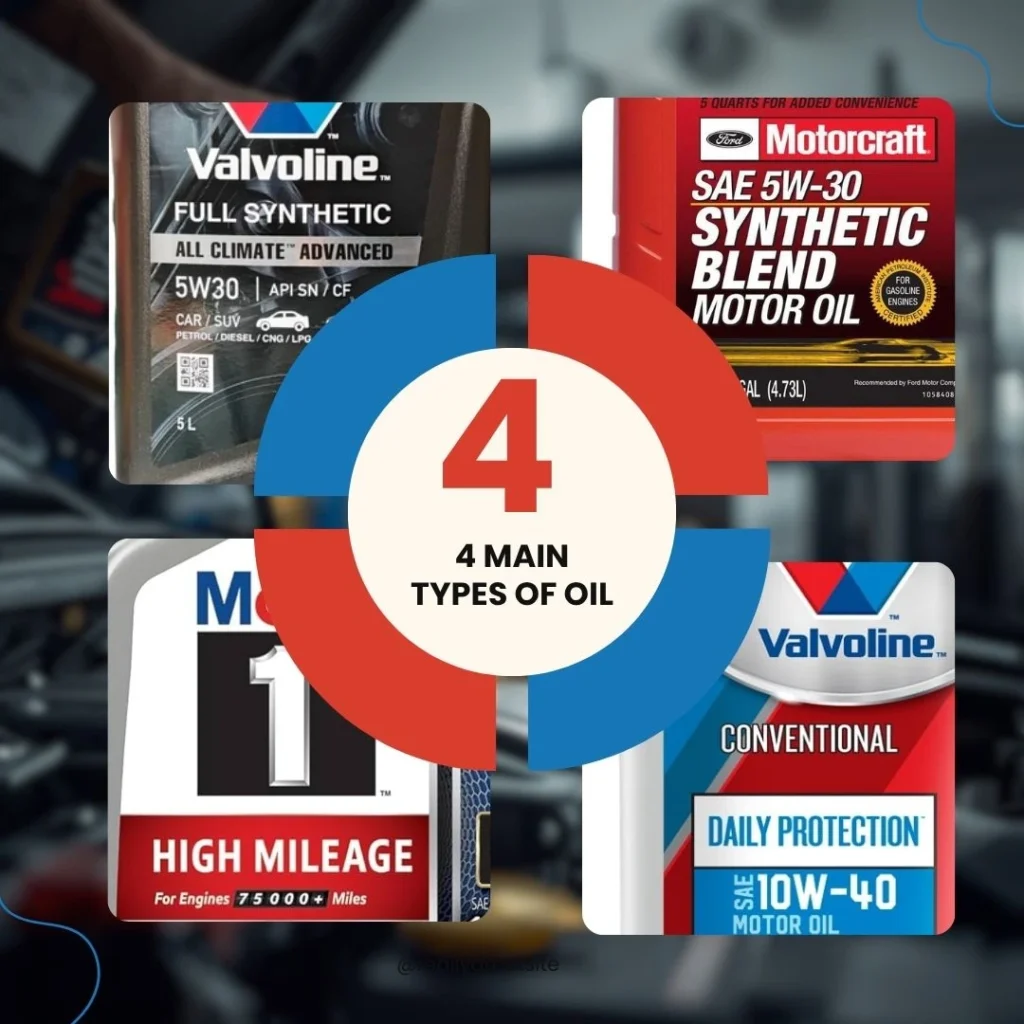
Four Main Types of Motor Oil
The four main types of engine oil available to drivers today include:
● Full synthetic oil
● Synthetic blend oils
● High-mileage oil
● Conventional motor oil
Each type of oil comes from the same crude petroleum mined from within the earth. However, each one has unique properties that are well-suited to your vehicle. Check your owner’s manual for the manufacturer’s recommendations.
Regular Oil Vs Synthetic: Which Should You Choose?
Choosing conventional oil makes sense in several scenarios:
● Older vehicles: Cars manufactured before 1990 often perform perfectly well with conventional oil, as their engines were designed with this lubricant in mind
● Simple engine designs: Vehicles with straightforward, non-turbocharged engines typically don’t require the advanced protection of synthetic oils
● Low-mileage driving: If you drive primarily in moderate conditions with regular short trips, conventional oil provides sufficient protection
● Budget considerations: When cost is a primary concern and your vehicle doesn’t specifically require synthetic oil, conventional options offer excellent value
● Frequent oil changes: Drivers who prefer changing oil every 3,000 miles may find conventional oil more economical
Thinking when to Consider Synthetic Options?
Synthetic oil vs regular oil becomes a crucial decision for certain vehicles and driving conditions:
● Modern engines with turbochargers or superchargers
● Extreme temperature environments (very hot or very cold climates)
● High-performance vehicles requiring 5w30 full synthetic oil or similar specifications
● Vehicles used for towing or heavy hauling
● Extended drain intervals recommended by manufacturers.
Blended Synthetic Vs Fully Synthetic: Breaking Down the Middle Ground
The debate between blended synthetic vs fully synthetic often confuses car owners. Synthetic blend oil contains approximately 70% conventional oil mixed with 30% synthetic base stock, offering enhanced protection over conventional oil without the premium price tag of fully synthetic oil.
Benefits of Synthetic Blend Oil
● Improved cold-weather starting compared to conventional oil
● Better high-temperature stability than normal oil
● Extended change intervals versus conventional oil
● Cost-effective upgrade for moderate-performance vehicles
● Ideal for trucks, SUVs, and vehicles carrying heavier loads
Cost Analysis: Conventional Oil Change Economics
A typical conventional oil change costs between $30-$60 at most service centers, significantly less than the $70-$125 range for full synthetic services. Over a year, with conventional oil requiring changes every 3,000-5,000 miles, the annual maintenance cost remains predictable and manageable for budget-conscious drivers. However, when comparing long-term expenses, synthetic and fully synthetic oil options may offer better value despite higher upfront costs due to extended change intervals and superior engine protection that can reduce wear-related repairs.

Best Practices for Conventional Oil Changes
Recommended Change Intervals
| Driving Condition | Mileage Interval | Time Interval |
| Severe driving conditions | Every 3,000 miles | Every 3 months |
| Normal driving patterns | Every 5,000 miles | Every 6 months |
| General rule | Follow manufacturer guidelines | Whichever comes first |
Signs You Need an Oil Change
| Indicator | What to Look For |
| Oil appearance | Dark, dirty appearance when checking the dipstick |
| Engine sounds | Unusual engine noises or knocking |
| Dashboard warning | Oil change indicator light illuminated |
| Performance | Decreased fuel efficiency |
| Emissions | Exhaust smoke or burning oil smell |
Learn more about Car Repair and Maintenance Tips
Environmental Considerations
| Aspect | Details |
| Waste management | Used oil should be properly collected at service centers |
| Recycling options | Can be refined into new lubricants or converted to fuel oil |
| Environmental impact | Proper disposal practices make conventional oil environmentally responsible |
| Best practice | Always use certified recycling programs for used oil |
Conclusion
Conventional oil remains a practical and affordable option, especially for older or simpler engines. While synthetic and blended oils offer better performance, regular oil changes with the right type for your vehicle are what truly keep your engine healthy. Check your owner’s manual, consider your driving habits, and consult a trusted mechanic to choose the best oil. No matter which you pick, conventional, blend, or full synthetic consistent maintenance is the key to long engine life.
Frequently Asked Question
How often should I get a conventional oil change?
Most experts recommend changing conventional oil every 3,000 to 5,000 miles, depending on driving conditions and manufacturer specifications. Severe conditions like frequent short trips, extreme temperatures, or stop-and-go traffic may require more frequent changes.
Can I switch from synthetic oil back to conventional oil?
Yes, you can safely switch from synthetic to conventional oil without harming your engine. However, consider why you were using synthetic oil initially if your vehicle requires it for performance or warranty reasons, reverting to conventional oil may not be advisable.
Is conventional oil bad for newer cars?
Not necessarily. While many modern vehicles are designed to maximize the benefits of synthetic oil, some newer cars still perform excellently with conventional oil. Always check your owner’s manual for manufacturer recommendations.
What happens if I wait too long between conventional oil changes?
Delaying oil changes causes oil to break down, losing its lubricating properties. This can lead to increased engine wear, sludge buildup, reduced fuel efficiency, and potentially catastrophic engine damage requiring costly repairs.
Does conventional oil work in extreme temperatures?
Conventional oil functions adequately in moderate climates but may struggle in extreme heat or cold. If you regularly experience temperatures below 0°F or above 100°F, synthetic or synthetic blend oil offers better protection.

